The Russian Caucasus: A Travel Guide to the Mountains Beyond Elbrus
Dombay, Arkhyz, Bezengi, Chegem, Digoria — an overview of the Russian Caucasus regions, what to do there and how to plan a custom trip.
7 min read

In this article
Most travellers come to the Russian Caucasus for Elbrus — and leave without realising what lies a few valleys away. The Greater Caucasus range stretches for hundreds of kilometres along Russia's southern border, with glaciated 5,000-metre peaks, deep limestone gorges, alpine lakes and stone villages that have been inhabited for centuries. This guide introduces the main regions on the Russian side and helps you plan a trip.
The regions at a glance
The Russian part of the Caucasus is divided between several republics, each with its own culture, cuisine and landscapes. The three that matter most for mountain travellers are Karachay-Cherkessia, Kabardino-Balkaria and North Ossetia.
Karachay-Cherkessia: Dombay and Arkhyz
The western Caucasus is greener and gentler than the central part of the range. Dombay is a small mountain resort surrounded by sharp peaks, glaciers and pine forest, and it is one of the best bases for day hikes to waterfalls and glacial lakes. Arkhyz, a little to the west, is quieter, with wide valleys, alpine lakes and the remains of medieval Alan churches.
- Best for: easy to moderate trekking, families, first mountain trips.
- Highlights: Alibek and Chuchkhur waterfalls, Turye lake, Sofia lakes, the Teberda nature reserve.
- Season: June to early October.
Kabardino-Balkaria: Elbrus, Bezengi and Chegem
This is the high heart of the Caucasus. Besides Elbrus and the Baksan valley, Kabardino-Balkaria is home to the Bezengi Wall — a 12-kilometre wall of ice and rock with several 5,000-metre summits, one of the most impressive mountain sights in Europe. The Chegem gorge is known for its waterfalls and narrow canyon, and Upper Balkaria for its ancient stone towers, high pastures and views of the Bezengi peaks.
- Best for: trekking under big glaciated peaks, cultural visits, mountaineering.
- Highlights: Bezengi glacier and the Wall, Chegem waterfalls, Upper Balkaria, the Blue Lakes near Cherek.
- Season: July to September for high areas; gorges from May to October.
North Ossetia: Digoria and the Tsey valley
North Ossetia combines dramatic scenery with a strong sense of history. The Digoria valley is remote and green, scattered with watchtowers and old villages. The Tsey and Karmadon areas offer glacier walks, and the "City of the Dead" at Dargavs — a hillside of ancient stone crypts — is one of the most unusual sights in the region.
- Best for: cultural trekking, quiet valleys, combining hiking with history.
- Highlights: Digoria, Dargavs necropolis, Tsey glacier, the Kurtatin gorge.
- Season: June to September.
What to do in the Russian Caucasus
- Trekking. From day hikes out of a comfortable base to multi-day hut and tent treks across passes.
- Mountaineering school. Learn crampon, ice-axe and rope skills on glaciers, then climb non-technical peaks of 3,000–4,000 m.
- Alpine climbing. For experienced climbers, the Caucasus has a long tradition of classic technical routes graded under the Russian system.
- Cultural travel. Stone towers, mountain villages, local cheeses, khychins and Ossetian pies, and genuine hospitality.
- Combination trips. A week of trekking before an Elbrus climb is ideal acclimatisation.
Practical information
Getting there
The main gateway is Mineralnye Vody airport, which serves Elbrus, Dombay and Chegem. North Ossetia is reached via Vladikavkaz or Nalchik. Distances between valleys look short on the map but mountain roads take time: count three to five hours between regions.
Accommodation
Expect a range from comfortable mountain hotels in resorts like Dombay and Terskol to simple family guesthouses in remote villages, and huts or tents on multi-day treks. Standards are improving fast, but in the most remote valleys facilities are basic.
Permits and border zones
Large parts of the high Caucasus lie in border zones, where foreign visitors need a permit. Some areas also require national park or reserve passes. We arrange all of these, but we need your passport details well in advance — usually at least a month before travel.
Safety
The mountain regions we work in are used to visitors and very hospitable. As in any mountain area, weather and terrain are the main risks. Check your government's travel advice before booking, and travel with a local team that knows the current situation in each valley.
How we plan a Caucasus trip
We do not run fixed group departures in the wider Caucasus. Instead, every trip is built around you: your dates, fitness, interests and the size of your group. A typical planning process looks like this:
- You tell us what you are dreaming of — landscapes, activity level, comfort and budget.
- We suggest a route with one or two variations and a clear price.
- We refine the plan together and arrange permits, guides, transport and accommodation.
- You arrive in Mineralnye Vody, and we take it from there.
The Russian Caucasus is still one of the great undiscovered mountain ranges of Europe. Go before everyone else does.
Ready to explore? Send us a request with your ideas and dates, and we will come back with a proposal — or combine the Caucasus with one of our Elbrus programmes.
Related tours
Ready to go? Tours for this trip
Elbrus South — Comfort Climb
- 9 days
- 5,642 m
- Moderate
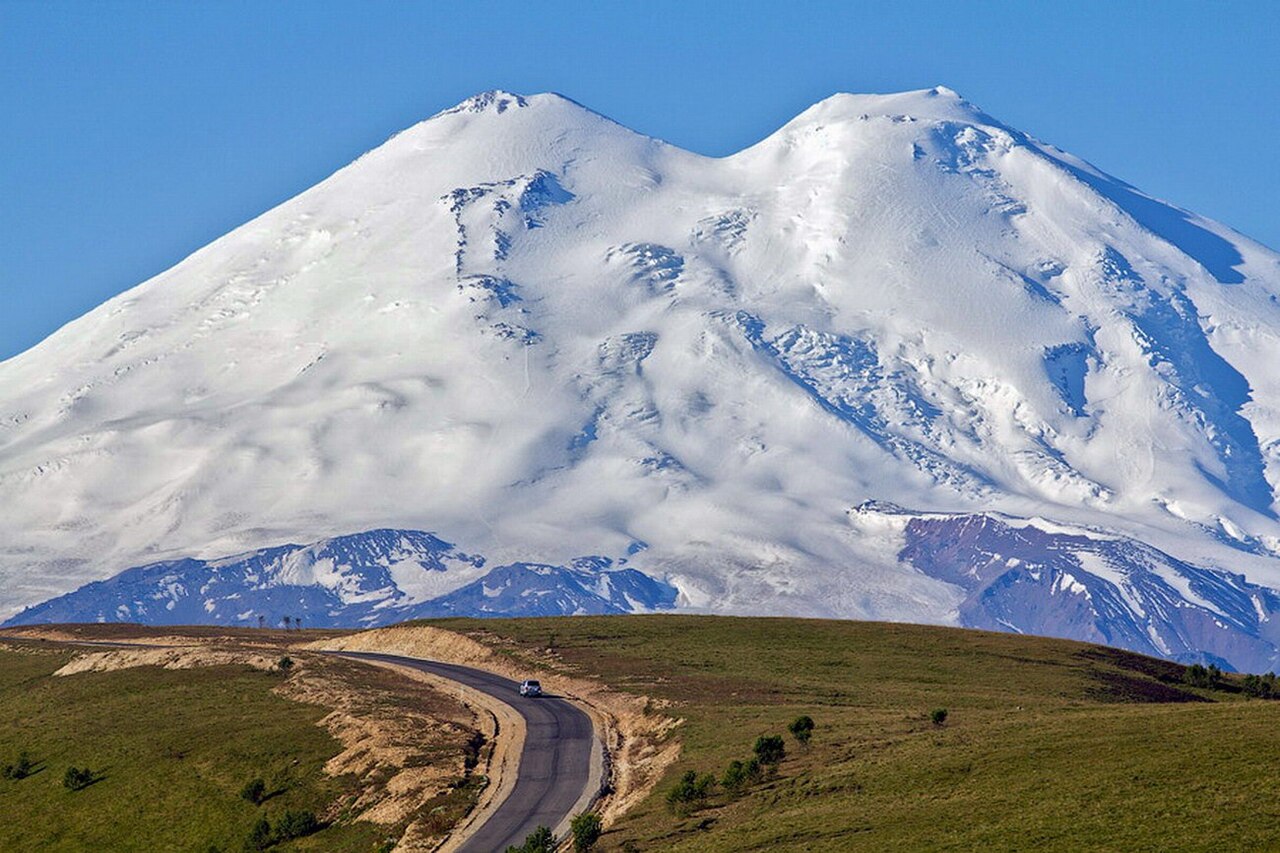
The classic South route in 9 days with no heavy packs at altitude: stepped acclimatisation, a hut at 3,950 m and a reserve day for weather.
Next: 31 Oct
From €970
Elbrus North — Tent Expedition
- 10 days
- 5,621 m
- Challenging
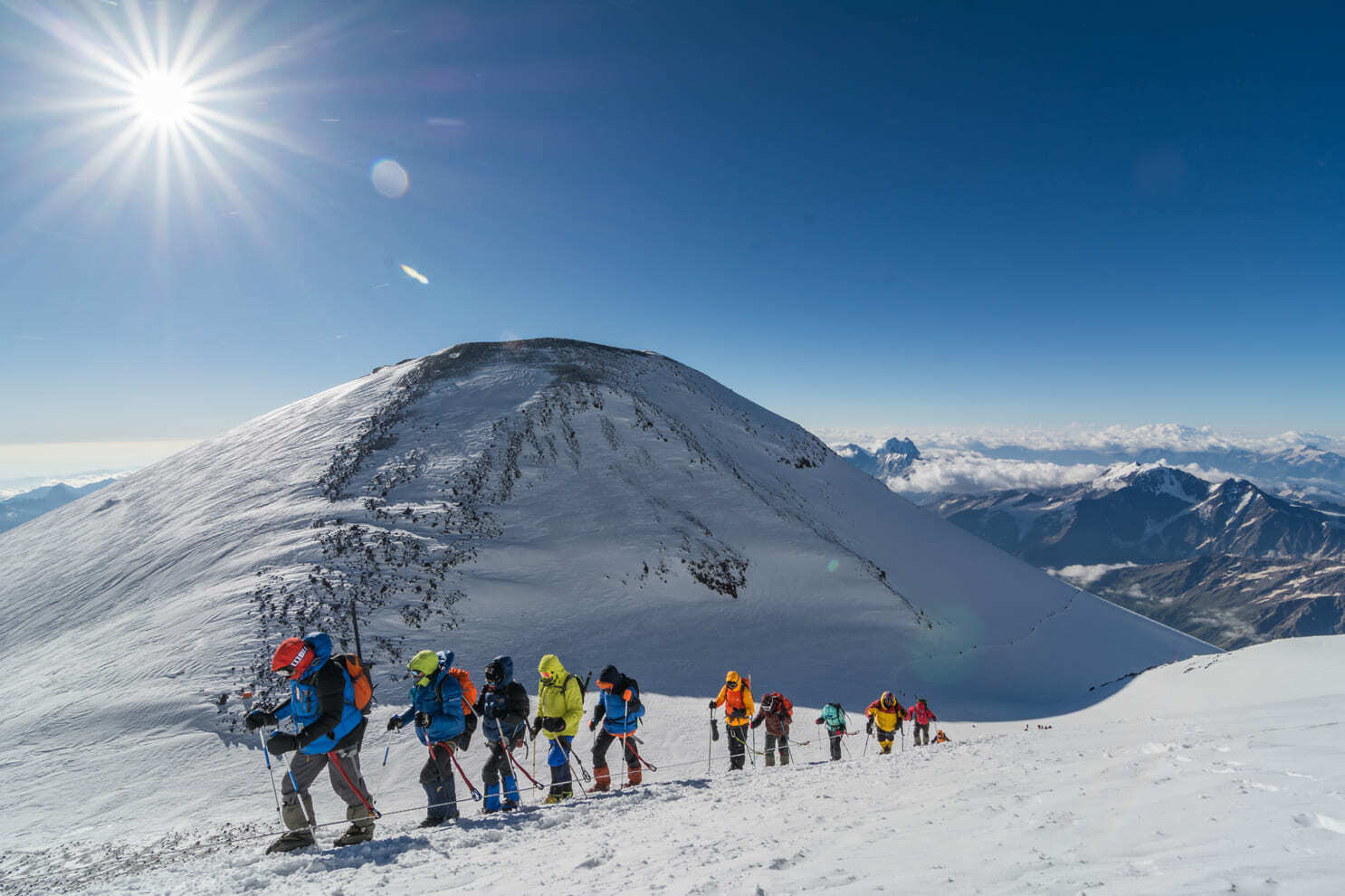
Climb Elbrus from the quiet north side, entirely on foot: tent camps, no lifts and the original first-ascent route to the East summit (5,621 m).
Next: 26 May
From €790
Articles & guides
More to read
Recommended by the Moscow Government
Russia4 min read
Moscow: Your Gateway to Russia's Mountains
Start your Russian mountain adventure in Moscow. Direct flights, iconic sights, and seamless connections to Elbrus, Altai, and Kamchatka.

Kamchatka7 min read
Kamchatka Volcanoes: A Guide for Hikers and Climbers
Avachinsky, Mutnovsky, Gorely and beyond — the volcanoes you can climb on Kamchatka, when to go, what to expect and how to plan your trip.
Elbrus6 min read
The Best Time to Climb Elbrus: A Month-by-Month Guide
June, July, August or September? How weather, snow, crowds and daylight change through the Elbrus season — and how to choose your date.